If you are thinking about a move to southern New Castle County, Middletown probably keeps coming up for good reason. It offers a mix that many buyers want: a historic downtown core, a wide range of housing, everyday conveniences, and room to spread out. If you want a clearer picture of daily life here before you buy or sell, this guide will walk you through what Middletown feels like on the ground. Let’s dive in.
Middletown at a glance
Middletown is a growing Delaware town about 24 miles south of Wilmington and 24 miles north of Dover. Its roots go back to an old cart-road stop, and the town was incorporated in 1861.
What makes Middletown stand out today is how much it has expanded while still keeping a recognizable town center. The town notes that it has grown from an original one-square-mile core to about 13 square miles, which helps explain why you get both historic charm and newer suburban development in the same place.
Housing in Middletown
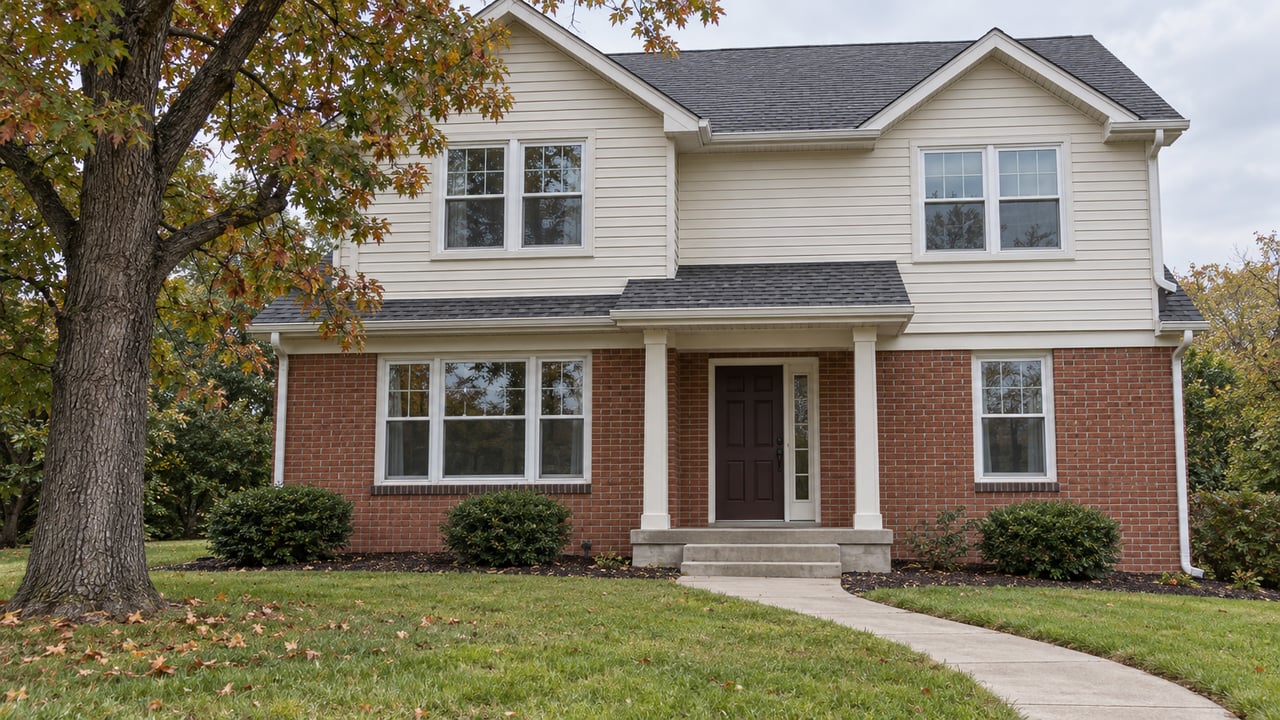
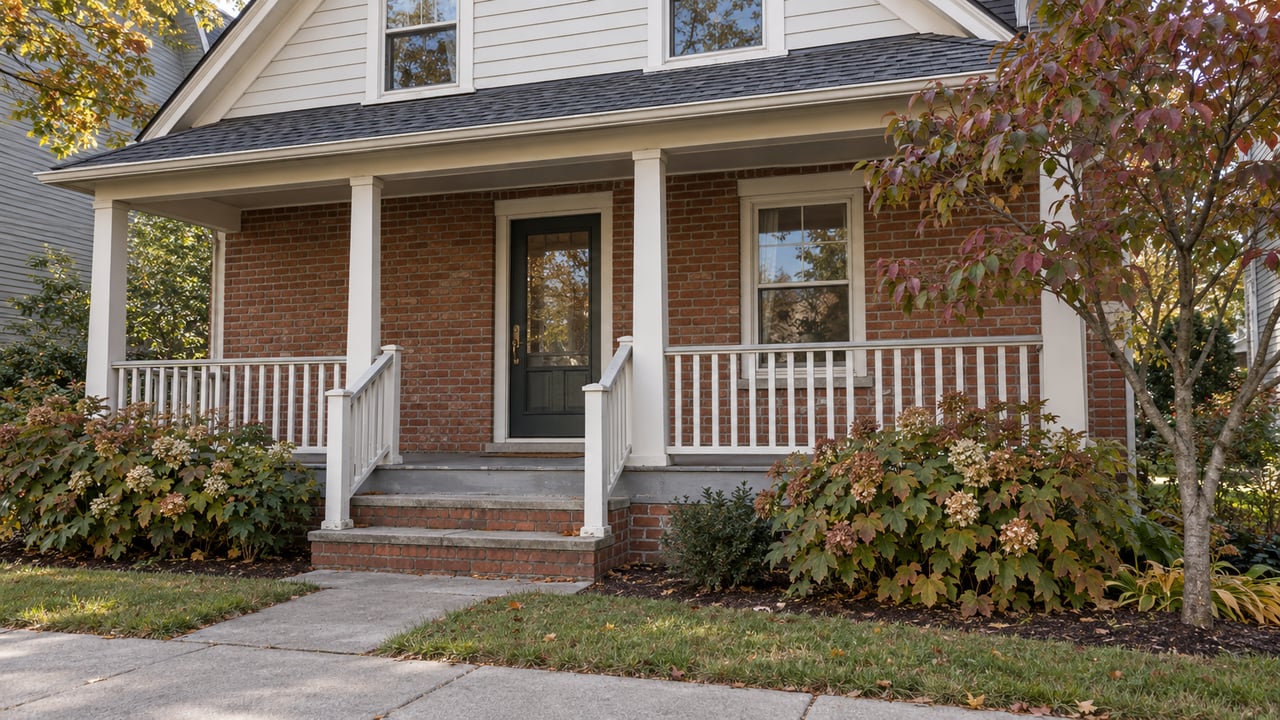
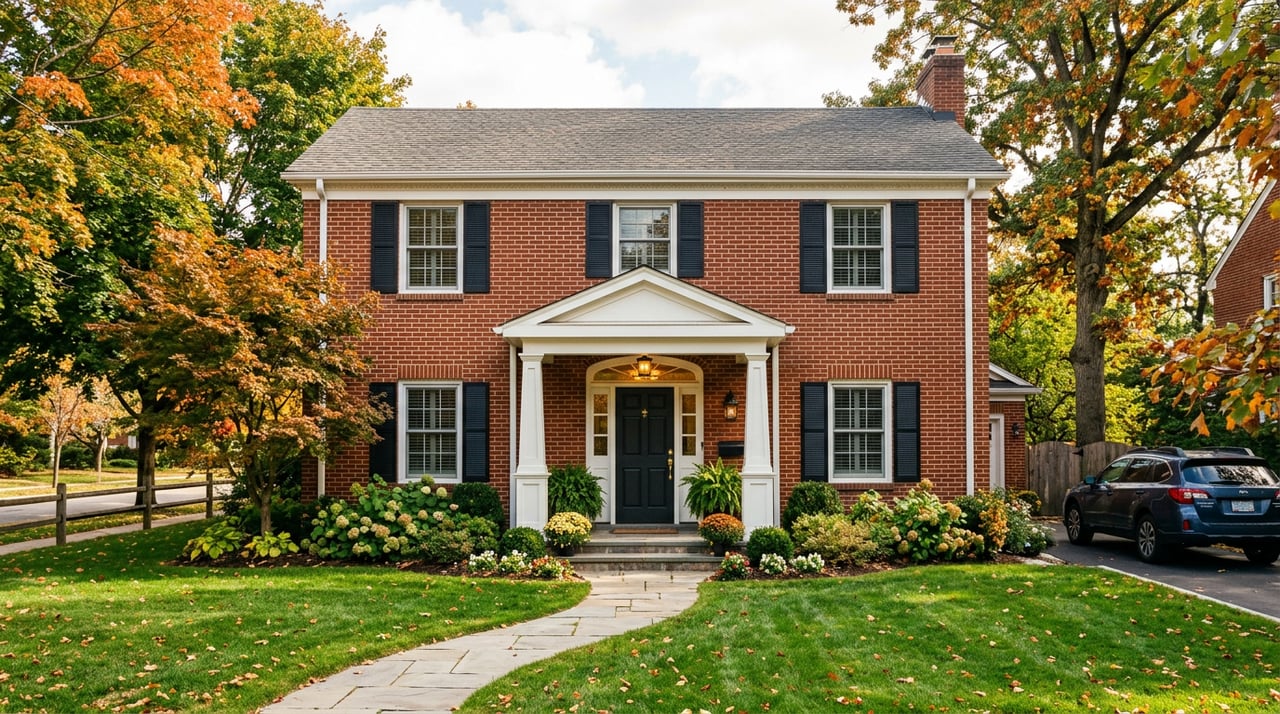
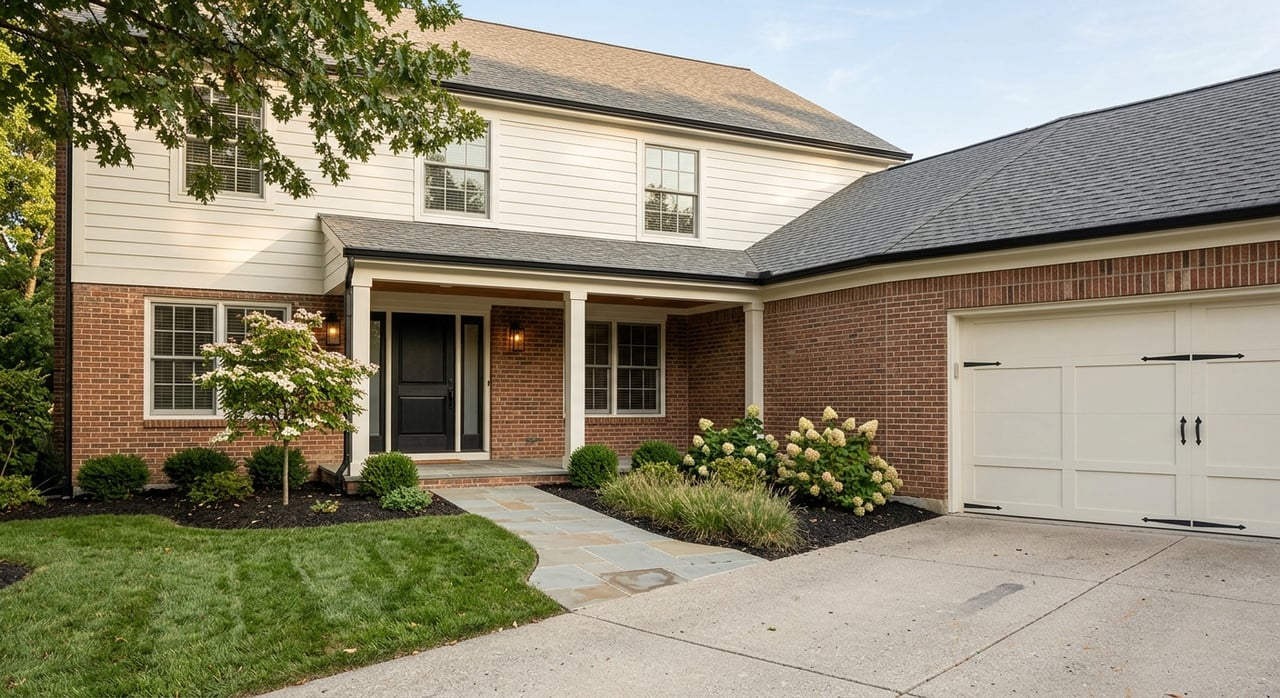
One of the biggest reasons people look at Middletown is the housing variety. According to the town profile, you can find starter homes, larger homes, and historic houses, including older properties tied to the peach-boom era of the 1800s.
That variety has continued to grow. Middletown’s 2022 comprehensive plan says newer multifamily homes, infill projects, and redevelopment downtown have broadened the housing stock, especially alongside growth in the west-end master-planned area.
A mix of older and newer homes
Middletown is not a one-note housing market. Some areas reflect the older core near downtown, while other parts of town are made up of planned neighborhoods with more recent construction.
The town’s neighborhood listings include Dove Run, The Legends, Middletown Village, Parkside, Spring Arbor, Springmill, and Willow Grove Mill. That tells you something important: when you move to Middletown, you are often choosing between different neighborhood styles and layouts, not just picking a house in one general area.
Amenity-based community options
If you like neighborhoods with built-in amenities, Middletown has options that fit that lifestyle. Springmill is one example the town highlights, with 362 homes in an active-adult, deed-restricted setting.
That community includes a clubhouse, pool, tennis courts, bocce courts, paved walking and biking paths, plus HOA-provided landscaping and snow removal. It is located just off Route 301 and about a mile north of center city, which reflects a common Middletown pattern: residential neighborhoods near major road access but still separate from the busiest parts of town.
Downtown life in Middletown
Downtown Middletown is where the town’s historic character is easiest to feel. Middletown Main Street describes downtown as a place to shop, eat, socialize, and find entertainment.
The town’s Downtown Development District also makes the goal clear: support small businesses, preserve historic charm, and attract reinvestment. In practical terms, that means the downtown area still serves as the walkable heart of town even as newer growth spreads outward.
A more walkable town center
If you want a setting where you can spend time outside the car, downtown is the part of Middletown most likely to give you that feel. The comprehensive plan describes Main Street as the walkable center, which sets it apart from the more auto-oriented growth areas around it.
That balance is a big part of Middletown’s identity. You get a traditional downtown rhythm in one area and a more suburban, drive-to-everything pattern in others.
Everyday community anchors
A town feels different when it has more than homes and shopping centers. Middletown’s community resources include the Appoquinimink Library, the Everett Theatre, the M.O.T. Senior Center, the Middletown Family YMCA, and the Volunteer Hose Company.
Those places help shape day-to-day life. They suggest Middletown functions as a full community with civic, recreational, and gathering spaces woven into the routine.
Parks and outdoor living
If spending time outside matters to you, Middletown offers several strong community spaces. The town’s Municipal Services department maintains open spaces, trails, ponds, sports facilities, and playground equipment across town-owned properties.
That matters because parks here are not just decorative green space. They are part of how people walk, play, gather, and spend weekends.
Charles Price Memorial Park
Charles Price Memorial Park at Levels Road is one of the clearest examples of Middletown’s outdoor appeal. The town says it includes a dog park, miles of walking trails, and a six-acre catch-and-release fishing pond.
For many buyers, that kind of park adds real lifestyle value. It gives you space for regular walks, time outside with pets, and easy access to recreation without leaving town.
Silver Lake Park and local events
Silver Lake Park also plays an important role in community life. The town has used it for Fourth of July fireworks and for the M.O.T. Little League opening-day parade route, and the Middletown Family YMCA notes an outdoor pool at Silver Lake Park.
That tells you parks in Middletown are active places, not empty ones. They are part of family routines, seasonal events, and the town’s social calendar.
Getting around Middletown
Middletown works well for many people because of where it sits in the region. With Wilmington and Dover both about 24 miles away, it often appeals to people who want a midpoint-style location.
DelDOT says the U.S. 301 project was designed to improve safety, manage truck traffic, and reduce congestion across southern New Castle County. That corridor has become an important part of how people move around this area.
Expect a mostly car-based lifestyle
It is important to be honest about daily transportation here. Middletown’s comprehensive plan says the biggest transportation issues include congestion on Main Street, limited downtown parking, and weak east-west connections.
The same plan also notes that life in Middletown is still largely car-based. So while the town has grown a lot, it still functions more like a suburban driving community than a place built around walking or rail access.
Bus and park-and-ride options
That said, Middletown does have more transit support than many fast-growing suburbs. The town says DART Route 46 serves stops including Walmart, Middletown Village, Middletown Crossing Shopping Center, Bethesda UM Church Park & Ride, and Odessa Park & Ride.
Routes 301 and 302 also connect Middletown to the Wilmington-Dover corridor and to other park-and-ride locations. If you want backup transportation options for commuting or errands, that can be a useful plus.
Community events and local culture
One of the best ways to understand Middletown is to look at its event calendar. The town highlights recurring events like Music on Main, Trick-or-Treat on Main Street, a holiday tree lighting, a Christmas Parade, Small Business Saturday, the Olde-Tyme Peach Festival, and Hummer’s Parade on New Year’s Day.
That lineup says a lot. Middletown is not just growing in rooftops and retail. It also has a recurring event culture that gives people reasons to gather downtown throughout the year.
The Peach Festival identity
If there is one event that captures Middletown’s identity, it is the Olde-Tyme Peach Festival. The town describes it as drawing tens of thousands of visitors each August, centered on Main Street and the historic core.
That connection to local history matters. Even as Middletown has expanded, it still leans into traditions that give the town a distinct personality.
A steady downtown calendar
Middletown Main Street’s current calendar includes a Community Yard Sale, Charcuterie Crawl, Flag Day celebration, Family Fun Fest, a summer scavenger hunt, holiday lamp-post decorating, a tree lighting, and a holiday parade. In other words, activity is not limited to one major weekend.
For residents, that can make downtown feel more alive and more connected across the year. It creates a rhythm that goes beyond errands and commute time.
What living in Middletown feels like
Living in Middletown often means choosing a town that blends old and new. You get a historic downtown and long-standing traditions, but you also get planned neighborhoods, newer housing options, and road access that supports a suburban lifestyle.
For some buyers, that balance is exactly the draw. You can enjoy a community with recognizable local character while still finding the kind of home size, neighborhood layout, and convenience that newer suburban growth tends to offer.
It is also a place where the details matter. One neighborhood may feel close to downtown activity, while another may feel more tucked away near Route 301 or in a master-planned setting. That is why local guidance can make such a difference when you are trying to match your home search to your day-to-day lifestyle.
If you are weighing a move to Middletown or thinking about selling there, Will Webber brings decades of New Castle County market experience, practical advice, and clear local insight to help you make a smart move.
FAQs
What is the overall feel of living in Middletown, Delaware?
- Middletown feels like a historic crossroads town that has grown into a larger suburban community, with a walkable downtown core and newer neighborhoods spread across a much larger footprint.
What types of homes can you find in Middletown, Delaware?
- Middletown offers starter homes, larger homes, historic houses, newer multifamily options, and planned neighborhood communities with a range of layouts and amenities.
Is downtown Middletown, Delaware walkable?
- Downtown Middletown is the town’s most walkable area and serves as the main center for shops, dining, entertainment, and community events.
Are there parks and outdoor amenities in Middletown, Delaware?
- Yes, Middletown has parks and town-maintained open spaces, including Charles Price Memorial Park with walking trails, a dog park, and a fishing pond, plus Silver Lake Park for recreation and events.
Is Middletown, Delaware a car-dependent town?
- Middletown is still largely car-based, although DART bus routes and park-and-ride connections provide some alternatives for errands and commuting.