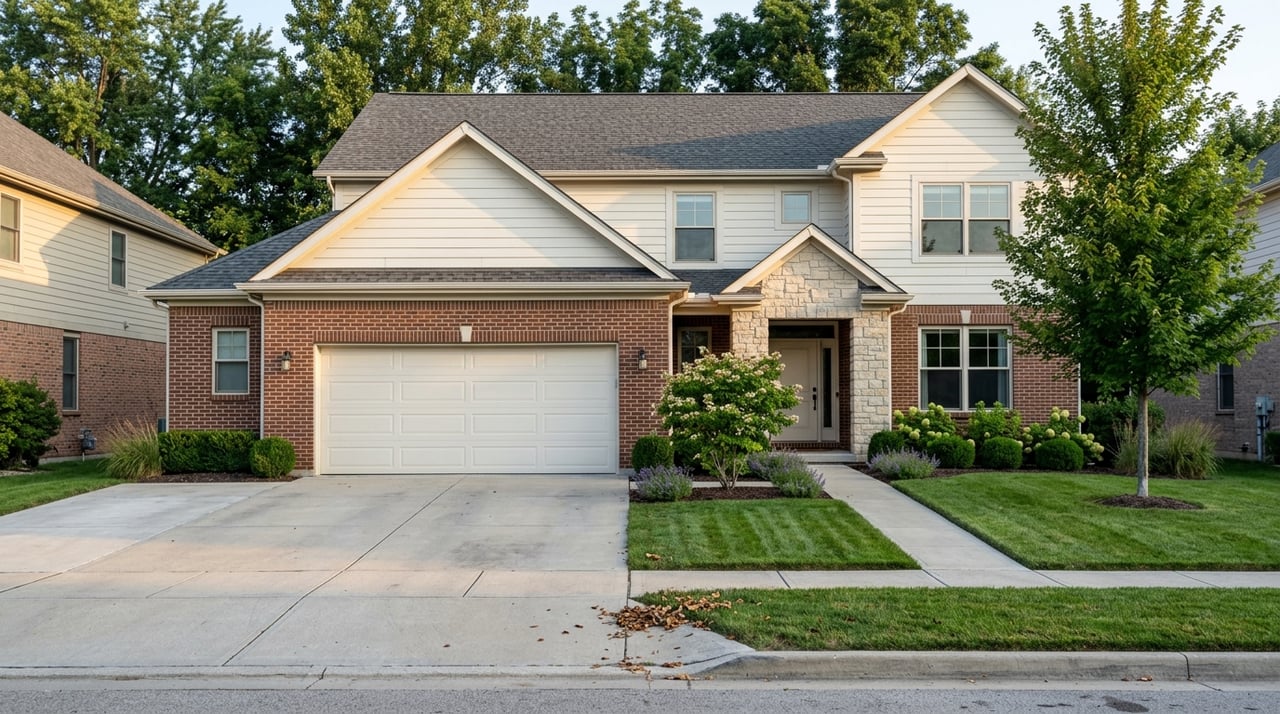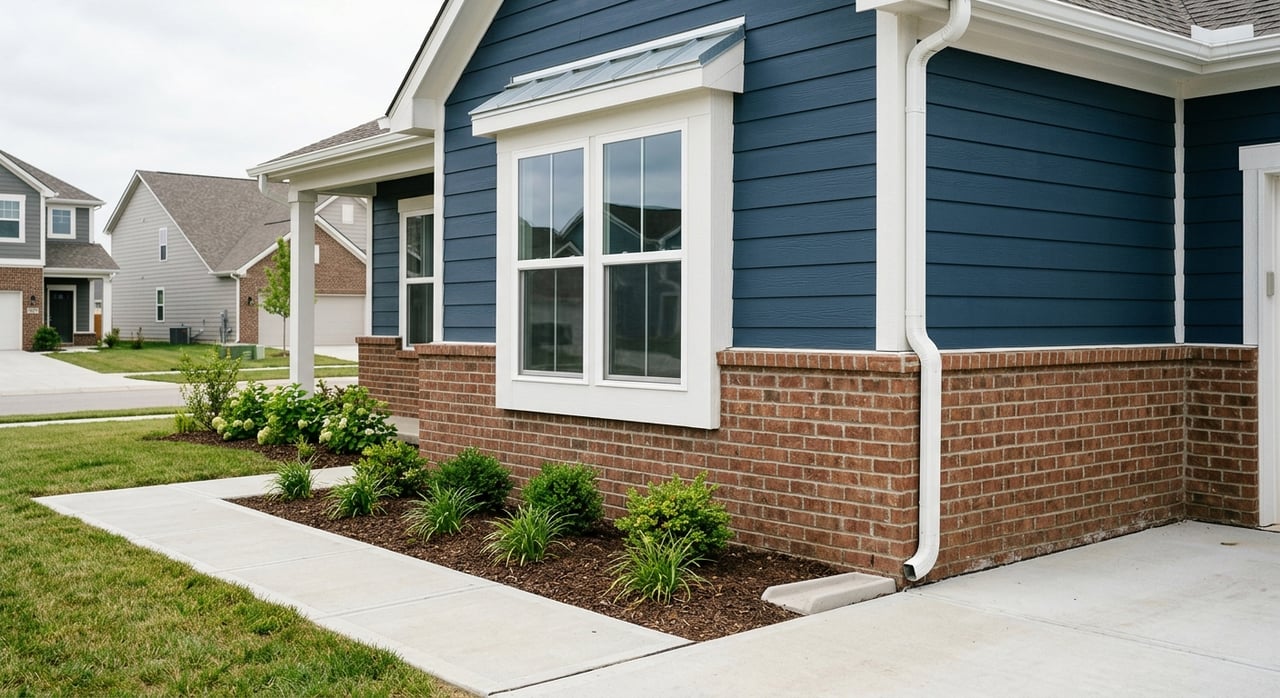
You can love the floor plan, pick the perfect finishes, and still miss the details that matter most. That is the trap many buyers face with new construction in Townsend. If you want a home that works well now and holds up later, you need to look beyond the model home and the design center. This guide walks you through what smart buyers check before they commit in Townsend. Let’s dive in.
Why Townsend details matter
Townsend is not standing still. Official town materials describe it as a community of about 2,700 residents that has seen significant growth over the past two decades, with active residential build-out including The Woods at Hidden Creek, Townsend Cove, Townsend Cross, and the Townsend Acres proposal.
That growth creates opportunity, but it also means your lot choice, contract terms, and timing deserve a closer look. In a town where new phases, street connections, and nearby projects can change over time, smart buyers do more than compare base prices.
Check the lot, not just the house
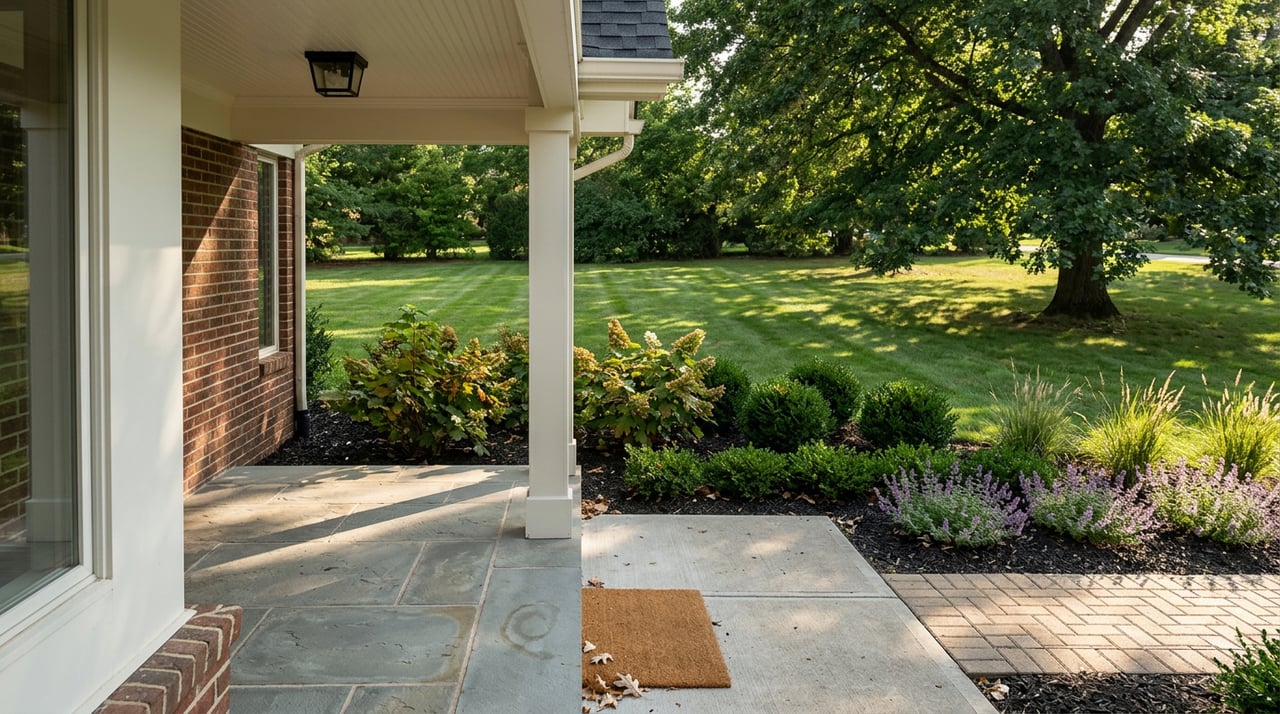
A new construction purchase starts with the parcel itself. The home may be beautiful, but the lot can affect drainage, sunlight, privacy, and your long-term enjoyment.
Ask what "open space" really means
In Townsend, open space does not always mean a future park or wide green lawn. The town’s comprehensive plan notes that much of the open space in newer subdivisions may be floodplain, stormwater-management land, or wetlands.
That means a lot backing to open space could sit near drainage infrastructure or protected land instead of recreation space. Before you commit, ask the builder or sales team for a clear explanation of what that adjacent land is today and how it is intended to function.
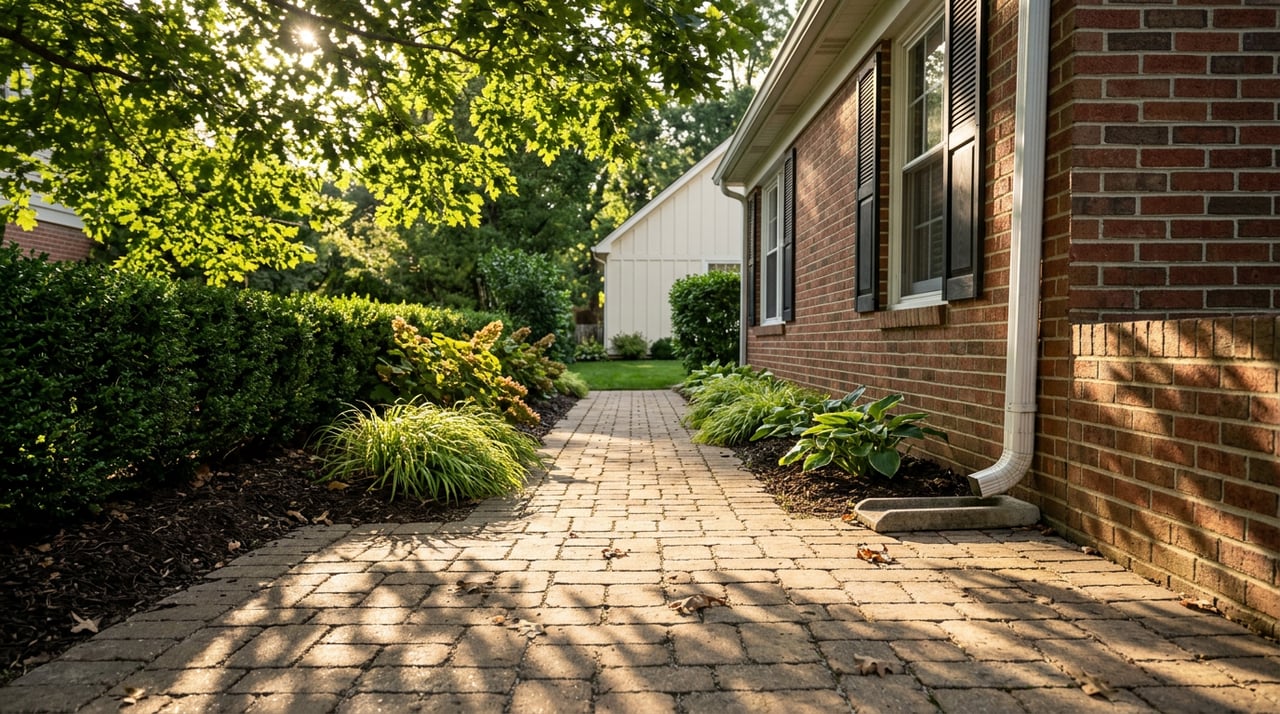
Review grading and drainage carefully
Townsend planning materials and council records show why drainage questions matter here. A 2025 town council packet noted high water tables in part of The Woods at Hidden Creek, along with a plan to raise the ground floor about 18 inches in one phase.
If you care about a basement, crawl space, or a usable rear yard, ask specific questions about grading, foundation elevation, and water flow on your lot. This is especially important if the yard slopes or if the parcel sits near stormwater areas.
Think about sunlight and orientation
Lot orientation can affect how your home feels every day. The Department of Energy notes that orientation affects daylighting, solar heat gain, and energy use.
In practical terms, look at where the main windows face, where the backyard sits, and how nearby homes may affect light and shade. A lot that looks great on paper may feel very different depending on morning sun, afternoon heat, and future build-out next door.
Study nearby development before you sign
Buying a new home is not only about what is built now. It is also about what may be approved later on the next street, behind the tree line, or across the road.
Watch future phases and road connections
A 2024 Townsend Acres rezoning proposal described 46 duplex units on Summit Bridge Road and included a stub for future interconnection with Townsend Village II East. That is a real example of how a quiet edge lot today may connect to additional homes or traffic later.
Ask whether nearby streets are planned to connect to future phases. Also ask whether your section is the final phase or part of a larger long-term build-out.
Use public planning tools
Townsend’s Planning Commission meets monthly in a public forum, reviews land-use and development applications, and posts agendas seven days in advance. New Castle County also provides active-plan, project-search, and map-viewer tools so buyers can review nearby development activity.
Those public records can help you understand what is proposed around your future home. If you are deciding between lots, this extra research can make a big difference.
Read the builder disclosure closely
New construction contracts are detailed for a reason. In Delaware, the state’s new-construction disclosure form, effective August 1, 2025, must be provided before you make an offer.
This form is important, but it is not a warranty and not a substitute for inspections. It is a starting point for smarter questions.
Focus on these disclosure items
The Delaware form asks about several issues that can affect your costs and use of the property, including:
- Deed restrictions
- HOA rules and fees
- Assessments
- Easements
- Zoning or variance issues
- Pending litigation
- Responsibility for adjacent street repair or repaving
These items matter because they can affect your monthly budget, your property rights, and even future resale. A low base price does not always tell the whole financial story.
Confirm how changes are documented
The disclosure form also states that change orders, specification sheets, buyer selections, and permitted substitutions update the disclosure. That means your paperwork needs to stay accurate as the build evolves.
If you select upgrades or approve changes, make sure every revision is captured in writing. Verbal promises are easy to forget when construction timelines shift.
Understand what Delaware law does and does not protect
Many buyers assume a new home automatically means no risk. It does not. What it does mean is that Delaware provides some important protections that you should understand.
Know the implied warranty basics
Delaware’s implied-warranty law says a new home should be suitable for ordinary use and built with defect-free materials in accordance with law and sound, workmanlike standards. For residential purchasers, general disclaimers are not effective, though specific defects can be disclaimed in a signed instrument.
That is helpful protection, but it is not a reason to skip due diligence. The strongest position is still to catch issues early and keep excellent records.
Ask about unfinished work before closing
If work remains incomplete at settlement, Delaware law can require the seller to escrow the completion cost or fair-market cost when the unfinished work is at least 1% of the contract price. That makes your punch list more than a cosmetic checklist.
Before closing, ask what is done, what is still pending, and when each unfinished item is scheduled for completion. A clear completion plan can protect your time and your money.
Request sprinkler information
Delaware requires builders of new one- or two-family dwellings to provide written materials about automatic fire sprinkler systems and related costs before or at final pricing. Make sure you receive and review those materials.
This is one more reminder that final pricing is about more than upgrades and appliance packages. It is also about understanding required systems and their cost impact.
Verify permits and inspection paths
Even in a new community, buyers should confirm that the right agencies are involved and that the paperwork trail is complete. Townsend’s permit pages show a town process for permits, subdivision and land-development forms, and a contractor-license application when a construction business is not located within the town.
New Castle County handles building, mechanical, plumbing, and site inspections, while electrical inspections are regulated by the State of Delaware. If you are not sure who inspected what, ask for clarity and documentation.
Do not skip independent inspections
Delaware’s disclosure form says buyers may negotiate for professional advice and inspections. It also reminds buyers that agents are not experts at detecting defects.
Phased new-construction inspections commonly include foundation and framing checks before insulation, drywall, and siding go in. Those earlier inspections can be valuable because some issues are harder to review once finishes are installed.
Match inspections to construction stages
A smart inspection plan often follows the build itself. Depending on timing, you may want to review:
- Foundation stage
- Framing stage before insulation
- Final walk-through stage
- Completion of punch-list items, if needed
If you enter the process after construction has already started, ask what milestones have already passed and what can still be evaluated.
Build a better post-close file
A smooth closing is great, but your documentation still matters after you get the keys. If questions come up later, good records can save time and stress.
Keep these records together
Your post-close file should include:
- Signed contract
- Change orders
- Specification sheets
- Inspection reports
- Warranty booklet
- Dated punch list
That file can be useful if you later need to reference builder obligations, track repairs, or rely on Delaware warranty rules. It is simple, but it is one of the smartest habits a buyer can have.
A practical Townsend buyer checklist
If you want a quick way to stay organized, focus on these core checks before you commit:
- Confirm what surrounds the lot now and what may be built later
- Ask whether open space is usable land, wetlands, floodplain, or stormwater area
- Review grading, water table concerns, and foundation elevation
- Check lot orientation for sunlight, shade, and yard use
- Read the Delaware new-construction disclosure carefully
- Verify HOA fees, easements, restrictions, and street-repair responsibility
- Put all upgrades, substitutions, and change orders in writing
- Understand what remains unfinished before settlement
- Confirm permit and inspection responsibilities
- Schedule independent inspections when possible
- Save every major document in one post-close file
Final thoughts on buying new construction in Townsend
New construction can be a great fit if you want modern systems, fresh finishes, and a home tailored to your needs. But in Townsend, smart buying means paying attention to the land, the paperwork, and the path of future development around you.
That is where experienced guidance matters. When you know what to ask and what to verify, you can make a cleaner decision and protect your long-term investment with fewer surprises.
If you are comparing new construction in Townsend and want practical, experienced guidance through the fine print and the lot-level details, connect with Will Webber.
FAQs
What should buyers check about a new construction lot in Townsend?
- Buyers should check grading, drainage, foundation elevation, lot orientation, and what nearby open space actually represents, since town documents show that some open space may be floodplain, wetlands, or stormwater land.
What does Delaware require before a buyer offers on new construction?
- Delaware requires a new-construction disclosure form to be provided before a buyer makes an offer, and the form covers items such as HOA fees, easements, deed restrictions, assessments, zoning issues, and street-repair responsibility.
Can future development change a street in Townsend after you buy?
- Yes. Townsend and New Castle County public planning records show active residential growth, and proposals can include future street connections, additional phases, and nearby rezoning activity.
Should buyers get an inspection on a brand-new home in Townsend?
- Yes. Delaware’s disclosure form says buyers may negotiate for inspections, and phased inspections can help catch issues during foundation, framing, and final stages.
What if work is not finished by closing on a Delaware new construction home?
- Delaware law can require the seller to escrow the completion cost or fair-market cost when unfinished work reaches at least 1% of the contract price.
What records should buyers keep after closing on a new construction home?
- Buyers should keep the contract, change orders, specs, inspection reports, warranty booklet, and a dated punch list in one organized file.